


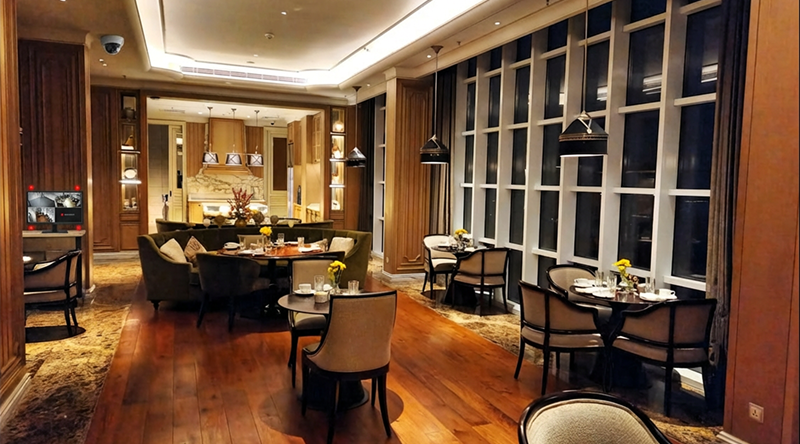
A lot of restaurant owners install cameras for one reason:
👉 To stop theft.
But here’s the reality—we’ve seen it over and over again:
Cameras alone don’t fix the problem.
The Real Issue Isn’t Visibility
Most restaurants already have cameras.
The issue is:
- they’re not placed correctly
- no one reviews the footage
- they’re not tied to operations
- And…they have no AI capabilities to alert in real-time
So when something happens, you’re still guessing.
Where Restaurants Actually Lose Money
In hospitality environments, loss usually comes from:
- internal theft
- inconsistent cash handling
- voids or discounts that aren’t tracked
- inventory shrinkage
And without the right system, it’s almost impossible to pinpoint.
What Kansas City Operators Are Doing Differently
The shift we’re seeing is toward using security systems as operational tools, not just surveillance.
That includes:
- monitoring POS areas with clear visibility
- reviewing transactions alongside video
- using footage for training and accountability
It’s Not About Watching—It’s About Understanding
The goal isn’t to “watch employees.”
It’s to:
- understand what’s happening
- identify patterns
- fix gaps in processes
That’s a completely different mindset.
Access Control Is Becoming More Important
Especially in restaurants with higher staff turnover, controlling access to:
- offices
- storage
- inventory
is critical.
Turning Security Systems Into Business Intelligence
This is where we’re seeing the biggest shift in restaurants and hospitality.
Modern systems aren’t just recording what happened—they’re helping operators understand how their business is performing in real time.
AI-powered analytics, like people counting, allow restaurant operators to:
- track customer traffic patterns throughout the day
- identify peak hours and staffing needs
- measure how busy the restaurant actually is vs. perceived
- compare performance across multiple locations
For multi-unit operators, this becomes even more valuable.
Instead of relying on assumptions, you can make decisions based on real data:
- When do we actually need more staff?
- Are we overstaffed during certain shifts?
- Which locations are underperforming?
Why This Matters More Than You Think
Most restaurant operators already have POS data—but it only tells part of the story.
It tells you:
👉 what was sold
It doesn’t tell you:
👉 how many people walked in
👉 how many left without ordering
👉 how traffic patterns change throughout the day
That’s where AI-powered video analytics fills the gap.
From Security Cost to Operational Tool
This is the mindset shift:
Instead of viewing cameras as a cost for security, operators are starting to see them as:
👉 a tool to improve staffing
👉 a way to increase efficiency
👉 a source of real operational insight
The Bottom Line
The best restaurant security systems in Kansas City aren’t just about catching problems after they happen.
They’re about creating systems that prevent them in the first place—and improve how the business runs.